- Phone : +1-346-463-8450
- Email : info@warehouseintexas.com

Pellentesque non dolor vitae lacus fringilla consequat vel quis enim. Cras venenatis mollis neque in fringilla. In vitae


Pellentesque non dolor vitae lacus fringilla consequat vel quis enim. Cras venenatis mollis neque in fringilla. In vitae
Kitting and assembly play pivotal roles in modern manufacturing, offering efficient solutions to enhance productivity and streamline production processes. Kitting involves the gathering and packaging of individual components or parts required for a specific task, while assembly refers to the process of putting these components together to create a finished product. Both practices are integral to achieving lean manufacturing and are employed across various industries to optimize efficiency and reduce operational costs.
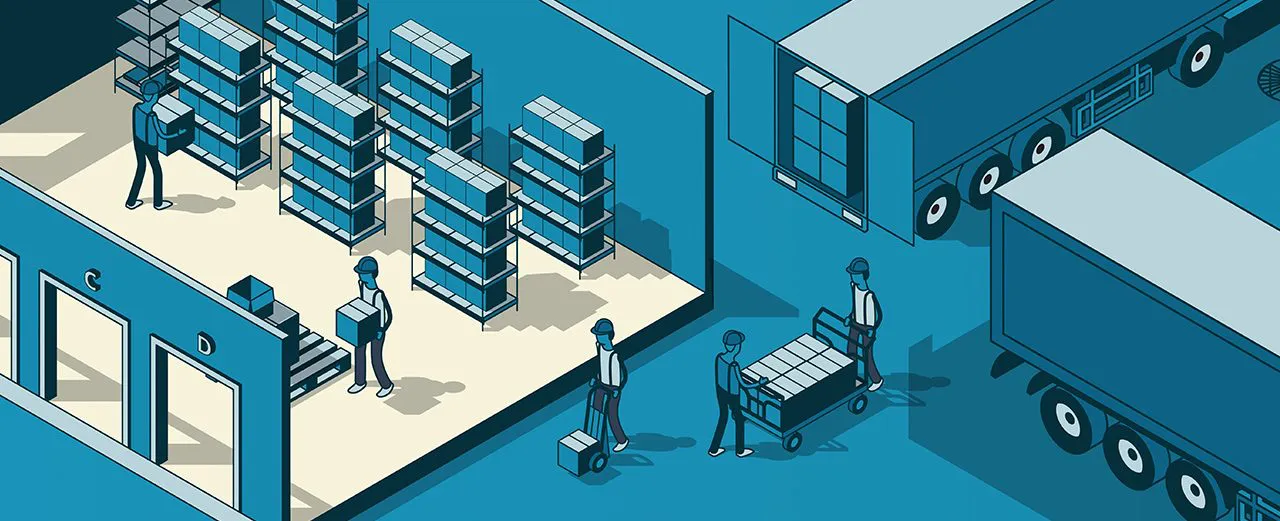
Kitting is the process of assembling and packaging individual components or materials required for a specific task, operation, or project. The goal is to simplify the workflow by pre-organizing items needed for a particular job, minimizing downtime and reducing the risk of errors during assembly.

Determine the components needed for a specific task or product.
Collect and organize the required materials in a kit.
Package the components in a way that is convenient for the assembly process.
Clearly label each kit to facilitate easy identification.

Assembly is the process of putting together individual components or parts to create a finished product. It involves a series of steps and often requires skilled labor and precision to ensure the final product meets quality standards.
Ensure all components are available and in the correct quantities.
Organize the assembly line to optimize efficiency and minimize bottlenecks.
Skilled workers or automated systems assemble components to create the final product.
Implement checks at various stages to maintain product quality.
Once assembled, products are packaged and prepared for distribution.
Optimizing Workflows: Kitting and assembly are often integrated to create a seamless production workflow. Kits prepared in the kitting phase are used in the assembly process, reducing delays and enhancing overall efficiency.
Continuous Improvement: Regularly evaluating and optimizing kitting and assembly processes is essential for achieving continuous improvement. Lean manufacturing principles, such as the elimination of waste and reduction of lead times, are integral to this ongoing refinement.
A good 3PL service provider that offers kitting and assembly should have experienced staff, advanced technology, and flexible processes that can be customized to meet the specific needs with reduced package cost without compromise the quality and safety of packed item. We offer all By offering high-quality kitting and assembly services above, we can help your eCommerce businesses streamline their operations and deliver a better customer experience.
Contact Us